Consultation
Send your product size, quantity and deadline. Not sure which board or style fits? Tell us what goes inside and we will specify it for you, then quote within 24 hours.

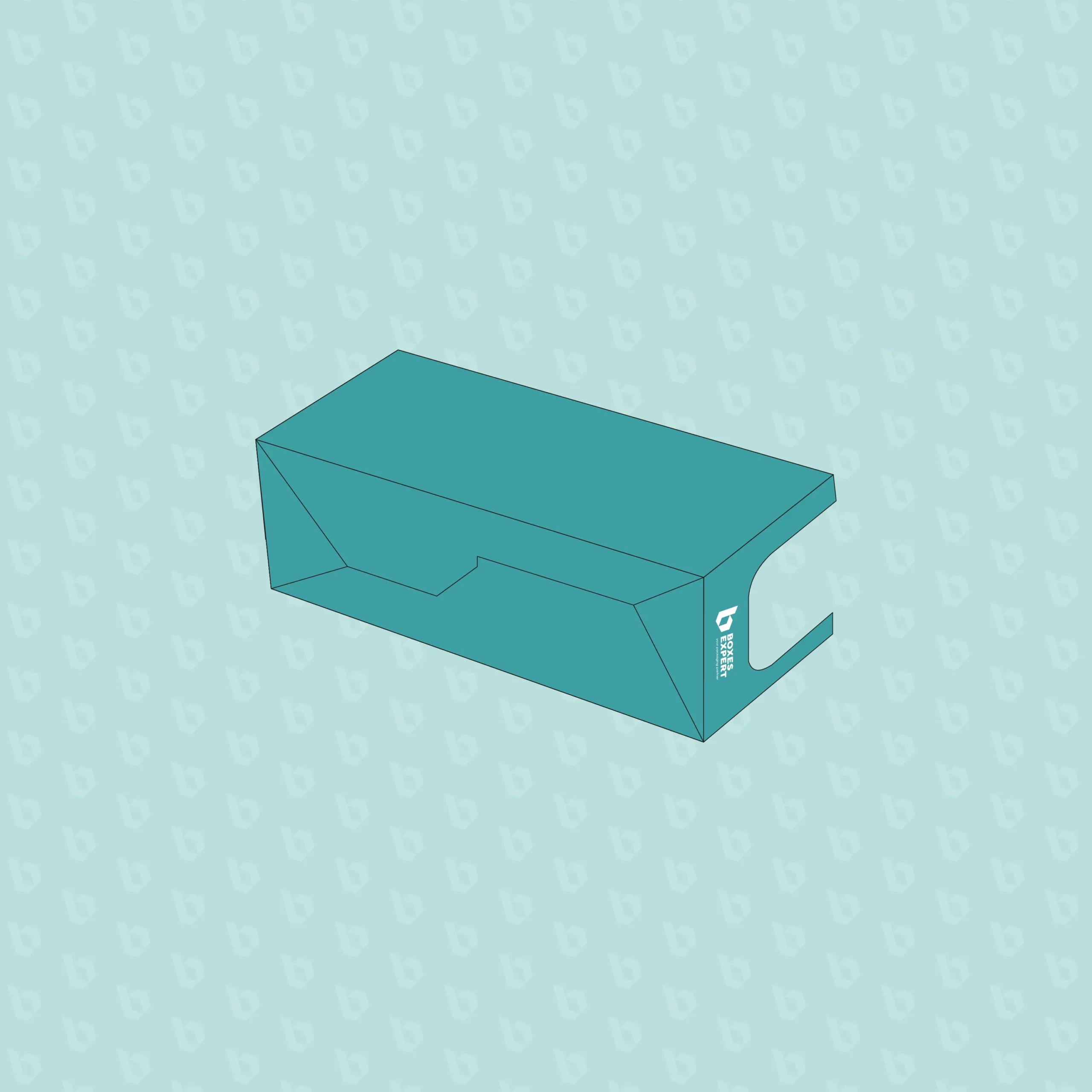
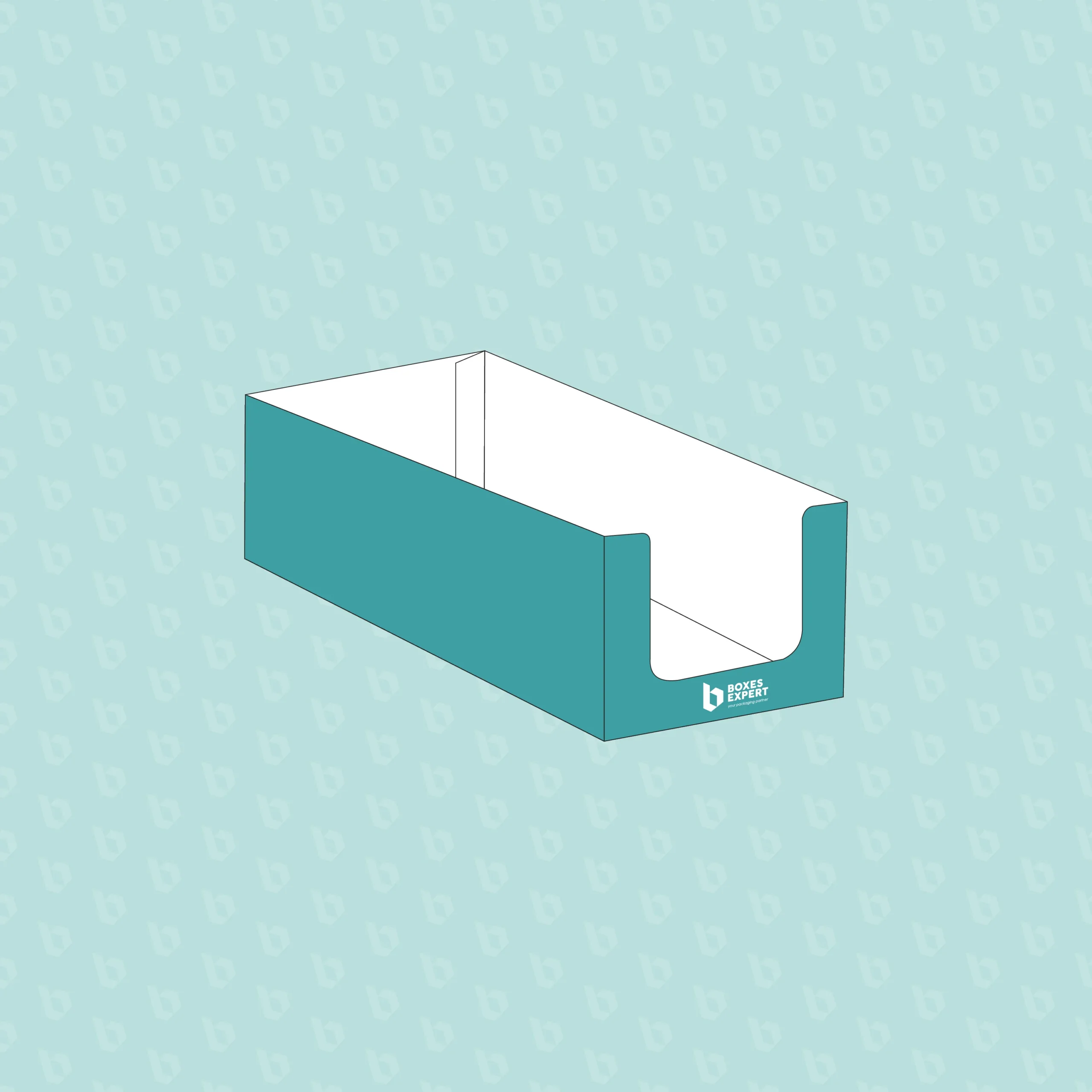
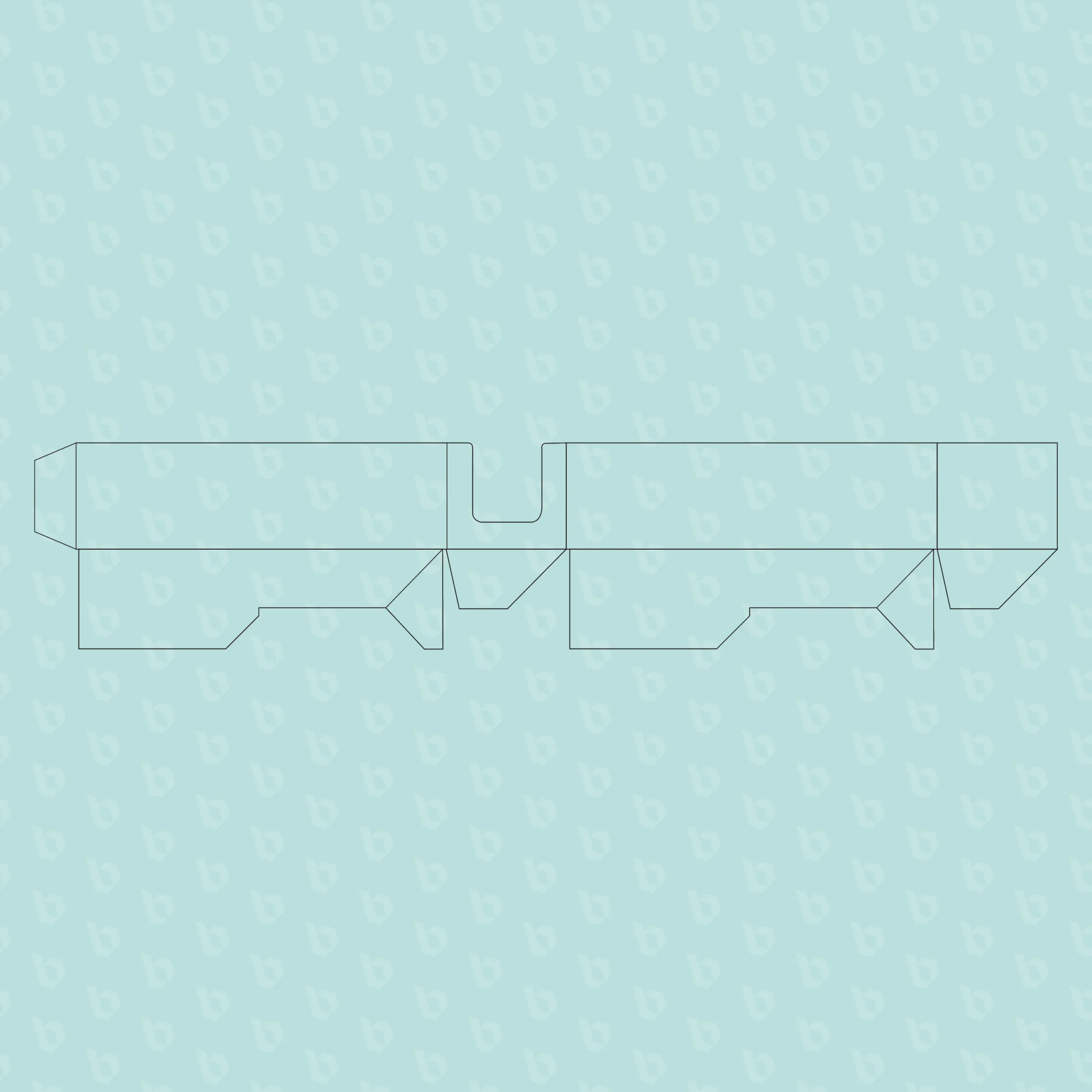
An auto bottom tray has a base that locks itself as the box is squared up. The glue is applied in our factory and the bottom snaps into position rather than relying on tucked flaps.
You pay a little more for that base and you get two things back. It holds far more weight without bursting and a packer assembles it in one movement instead of folding four flaps by hand.
Get Custom Quote
| Specification | Detail |
|---|---|
| Box style | Auto lock base, also called crash lock or snap lock. |
| Board | 350 to 400 GSM SBS standard. 350 GSM kraft. E flute 32 ECT for heavier fills. |
| Weight | Suits packed weight above about a pound where a tuck base sags. |
| Sizing | Internal length by width by depth. 3 to 4 mm clearance around the product. |
| Assembly | Base locks itself as the box is squared up. No taping needed. |
| Glue area | Keep heavy solid ink and foil clear of the glue strip on the base. |
| Options | PET window, hang hole, die cut side handles, paperboard divider, tuck top. |
| Printing and finishes | Digital or offset. Gloss, matte, soft touch, spot UV, hot foil, emboss. |
| Minimum order | 100 boxes per size and per design. |
| Production time | 8 to 12 business days after dieline approval. |
| Samples | A plain structural sample takes 3 to 5 working days and a printed sample takes 7 to 10. |
| Pricing | No setup or tooling charge. Break at 1,000 units. |
| Artwork and design | AI, EPS or PDF on our dieline. Design support free at every stage. |
| Shipping | Free shipping worldwide on all orders. |
The base is cut as four interlocking panels with glue applied along two of them. The box ships flat and folded. When a packer pushes the two sides together the base opens and locks itself in the same movement.
Because the load sits on locked panels rather than on tucked flaps, the weight is carried by the structure instead of by friction. That is the whole reason this style exists.
It is sometimes called a crash lock bottom or a snap lock bottom. All three names describe the same base.
There are two clear reasons to move up from a tuck end carton. The first is weight. Past about a pound of packed product a tucked base starts to sag and eventually gives way while a customer is carrying it.
The second is packing speed. On a line filling a few hundred units a day the time saved per box adds up quickly and that saving usually outweighs the price difference per carton. Ask yourself how many boxes a person assembles in an hour, then compare that against the unit price.
Below about a pound and on small runs a straight tuck end carton is still the cheaper answer. As your custom packaging boxes expert, we will tell you which one your product needs rather than quoting the more expensive structure by default.
Use 350 to 400 GSM SBS on most auto bottom work because the base panels need stiffness to lock cleanly. Lighter board folds rather than snaps and the lock becomes unreliable on a fast line.
Kraft at 350 GSM works where the look calls for it. For heavier contents or a pack that ships alone we move to E flute corrugated at 32 ECT, which gives the same locking base with a cushioning layer.
Give us internal dimensions in length by width by depth order with 3 to 4 mm of clearance around the product. Tell us the packed weight as well because it changes the board grade rather than the shape.
The panels print exactly like any other folding carton so you lose nothing on print quality by moving to this base. Digital printing suits runs below about 1,000 units and carries several designs in one production run at the same unit price.
Offset takes over above that figure and holds a named Pantone spot color exactly. Gloss or matte lamination protects the print through the supply chain, and soft touch, spot UV, hot foil and embossing are all available on the same carton.
One practical note. The glue line on the base needs a clear strip so keep heavy solid ink and foil away from that area. We mark it on the dieline before you start the artwork.
A window with a PET patch works on the front or side panel. A hang hole turns the carton into peg ready packaging. Both options work across most types of custom boxes, so a range can keep the same look even when the structures differ.
Handles can be die cut into the side panels on larger trays, which is common on multi piece sets and hampers. A folded paperboard divider inside keeps several items apart and a tuck top or a lid can be added so the same base carries a fully closed box.
Send artwork as an AI, EPS or PDF file set on our dieline in CMYK at 300 dpi with 3 mm of bleed. Design support is free at every stage so we will fix a file that is not print ready rather than send it back.
Two limits apply whatever you choose. Keep positive type at 6 pt or larger and reversed type at 8 pt or larger because ink spreads slightly on board and fine reversed type fills in. Keep every line weight at 0.25 pt or above for the same reason.
The minimum is 100 boxes per size and per design. Each size needs its own die so two sizes on one artwork counts as two minimums. There is no setup or tooling charge on the first order or on any reorder and the price break lands at 1,000 units.
Production runs 8 to 12 business days after you approve the dieline. A plain or printed sample costs $19.99 and ships in 3 to 5 business days. Shipping is free worldwide on every order.
Email Sales@boxesexpert.com with your dimensions and quantity and we will send a dieline, a 3D mockup and a price.
Creating custom boxes is now easy with us. See how our process works.
Send your product size, quantity and deadline. Not sure which board or style fits? Tell us what goes inside and we will specify it for you, then quote within 24 hours.
Upload your artwork and our team will refine it to perfection. No artwork? No problem. Just tell us about your product and we will turn your ideas into beautifully designed packaging.
Nothing reaches the press until you approve it. You get a digital proof as standard and a physical sample on request, so you can check everything yourself before the full run.
After production, every box goes through our strict quality control process to ensure it meets our standards. Once approved, your packaging is carefully prepared and delivered free to your own doorstep.
What buyers ask before ordering custom auto bottom trays: how the locking base works, when it beats a tuck end carton, board grades, weight limits and assembly speed.
Apart from branding benefits, we deliver premium packaging solutions that combine durability, quality printing, and eco-friendly materials. Our team ensures every box meets your brand’s identity and market needs.

We use high-grade materials and advanced printing technology to ensure superior packaging quality.

Competitive rates designed to support businesses of all sizes.

We ensure timely production and delivery without compromising product quality.
Other structures buyers compare with an auto bottom tray.


