Consultation
Send your product size, quantity and deadline. Not sure which board or style fits? Tell us what goes inside and we will specify it for you, then quote within 24 hours.




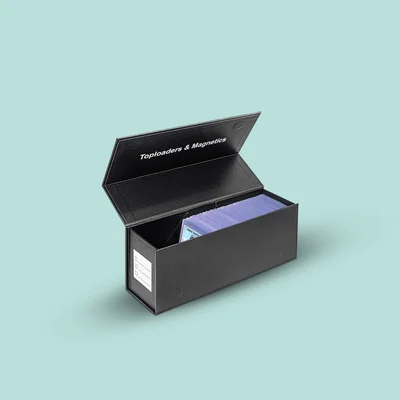

A rigid box is the heavy setup box you meet when you buy a watch or a phone or a bottle of perfume. The walls are cut from thick chipboard and then wrapped in printed paper so the finished box holds its shape permanently. Nothing folds flat and nothing needs assembling at your end because the box arrives from us already built.
That permanent shape is the whole point of the style and it is also the reason rigid costs more than a folding carton. You are paying for board that is roughly four times thicker and for a wrapping stage that no folding carton ever goes through. The sections below explain how the build works and which version suits the product you sell.
Get Custom Quote
| Specification | Detail |
|---|---|
| Styles | Two piece lid and base, magnetic closure, drawer, shoulder neck, book style, collapsible. |
| Construction | Cut chipboard cornered into a frame, then wrapped in a separately printed sheet. |
| Board 1.2 mm | Light and slim with a gentle give. Small jewelry and card sized boxes. |
| Board 1.5 mm | Firm with no visible flex. The standard for most retail rigid boxes. |
| Board 2.0 mm | Heavy with sharp square corners. Spirits, electronics, over 2 pounds. |
| Board 2.5 mm plus | Furniture grade stiffness for large sets meant to be kept for years. |
| Corners | Taped or stayed so the frame holds square under pressure. |
| Wrap papers | Coated art, uncoated fine, linen, felt, leatherette, pearlescent, metallic. |
| Wrap advantage | Printed separately, so textured stocks run here that would crack on a fold. |
| Sizes | Built to your inside dimensions, length by width by depth. |
| Inserts | Die cut foam, folded paperboard, molded pulp, fabric wrapped tray. |
| Finishes | Soft touch, foil stamping, embossing, debossing, spot UV, edge painting. |
| Magnets | Hidden inside the wall on magnetic and collapsible builds. |
| Ships to you | Assembled, not flat. Collapsible is the exception and folds down. |
| Freight note | Assembled boxes take far more pallet space than a flat carton of the same size. |
| Minimum order | 100 boxes per size and per design. |
| Production time | 10 to 12 business days after dieline approval, because of the wrapping stage. |
| Samples | A plain structural sample takes 3 to 5 working days and a printed sample takes 7 to 10. |
| Pricing | No setup or tooling charge. Break at 1,000 units. |
| Artwork and design | AI, EPS or PDF on our dieline. Insert engineering included free. |
| Shipping | Free shipping worldwide on all orders. |
A folding carton is printed on a single sheet of paperboard and scored so the sheet folds into a shape. A rigid box starts from chipboard that is far too thick to fold at all. We cut that board into panels and corner them into a frame and then wrap a separately printed sheet around the outside.
The practical difference shows up the moment a customer picks the box up. A rigid box does not flex under the fingers and the lid lands with a soft settled sound rather than a snap. Buyers read both of those signals as quality before they even see what is inside the box.
There is a cost to that impression and it is worth stating plainly. A rigid box ships assembled so it takes up far more freight and storage space than a flat carton of the same finished size. Most brands accept that trade because the box is doing sales work rather than only protecting a product.
The process runs in four stages and knowing them helps you understand where your choices actually land. Board is cut first and the corners are either taped or stayed so the frame holds square under pressure. The printed wrap is produced on a separate press sheet and laminated before it ever touches the board.
Wrapping comes third and this is the stage where craft matters most. The paper has to turn every corner cleanly and meet itself without a visible overlap on the face panels. Any insert goes in last and it is cut to the product rather than to the box.
Because the wrap is printed separately you get far more finishing freedom than a folding carton allows. Specialty papers and textured stocks run easily here even though they would crack along a fold line on a carton.
| Style | How it opens | Best suited to |
|---|---|---|
| Two piece lid and base | Separate lid lifts straight off the base | Apparel candles and any product that benefits from a slow deliberate reveal |
| Magnetic closure box | Hinged lid folds over and holds shut on hidden magnets | Electronics jewelry and subscription boxes that customers keep and reuse |
| Drawer or slide box | Inner tray slides out of an outer sleeve on a ribbon pull | Chocolates pens and small sets where the product stays flat during opening |
| Shoulder neck box | Lid rests on an inner collar that sits proud of the base | Perfume and spirits where a visible contrasting neck becomes part of the design |
| Book style box | Cover swings open on a spine the way a hardback book does | Press kits corporate gifts and products shown on a shelf edge on |
| Collapsible rigid box | Walls fold down flat and lock upright with magnets when needed | Brands that want rigid quality while keeping freight and storage cost low |
The style you pick sets the shape and the next decision sets how solid that shape feels in the hand.
Chipboard thickness is quoted in millimeters and it controls both the weight of the box and the price of the order. Thicker board resists denting during shipping yet it also raises the freight bill on every carton you receive.
| Board thickness | Feel in the hand | Where it fits |
|---|---|---|
| 1.2mm | Light and slim with a gentle give at the corners | Small jewelry boxes and card sized gift boxes |
| 1.5mm | Firm with no visible flex under normal handling | The standard choice for most retail rigid boxes |
| 2.0mm | Noticeably heavy with sharp square corners | Spirits electronics and boxes holding more than 2 pounds |
| 2.5mm and above | Furniture grade stiffness that resists stacking pressure | Large luxury sets and boxes designed to be kept for years |
For the wrap itself you can choose coated art paper for sharp photographic printing or uncoated fine paper for a softer matte surface. Textured stocks such as linen and felt and leatherette all run on this style and so do specialty finishes including foil stamping embossing and spot UV. Soft touch lamination remains the most requested finish because it changes how the box feels rather than only how it looks.
An insert does two jobs at once and both of them matter to the buyer. It stops the product sliding around during transit and it decides what the customer sees first when the lid comes off. We cut inserts from foam and from folded paperboard and from molded pulp depending on the weight and the shape involved.
Foam suits heavy or fragile items because it absorbs shock and grips the product firmly. Paperboard inserts cost less and recycle easily which makes them the usual pick for lighter retail goods. Molded pulp gives a sculpted seat for an awkward shape and it carries a strong sustainability story alongside it.
Send us the product or send accurate dimensions and our team builds the insert cavity around it. You can compare this style against every other structure we cut on our box styles.
Tell us the inside dimensions you need written as length by width by depth and the weight of the product going in. Name the style from the table above and tell us whether an insert is required. Those four details are enough for us to quote and to draw a dieline for approval. Our free dieline generator at custom packaging dielines builds any style at any size and exports AI PDF and SVG files in seconds.
Artwork should arrive as AI or EPS or PDF built in CMYK at 300 dpi with 3mm of bleed on every edge. Our designers will place your logo onto the dieline free of charge if you have no print ready file yet. Email Sales@boxesexpert.com or call +1 682 243 7891 between 8am and 5pm EST and we will come back with a quote the same working day. Browse the wider range at custom boxes with logo before you decide.
Creating custom boxes is now easy with us. See how our process works.
Send your product size, quantity and deadline. Not sure which board or style fits? Tell us what goes inside and we will specify it for you, then quote within 24 hours.
Upload your artwork and our team will refine it to perfection. No artwork? No problem. Just tell us about your product and we will turn your ideas into beautifully designed packaging.
Nothing reaches the press until you approve it. You get a digital proof as standard and a physical sample on request, so you can check everything yourself before the full run.
After production, every box goes through our strict quality control process to ensure it meets our standards. Once approved, your packaging is carefully prepared and delivered free to your own doorstep.
What buyers ask before ordering custom tray and sleeve boxes: how the fit is calculated, which tray to use, how variants change the cost and what the minimum applies to.
Apart from branding benefits, we deliver premium packaging solutions that combine durability, quality printing, and eco-friendly materials. Our team ensures every box meets your brand’s identity and market needs.

We use high-grade materials and advanced printing technology to ensure superior packaging quality.

Competitive rates designed to support businesses of all sizes.

We ensure timely production and delivery without compromising product quality.
Other structures buyers compare with a tray and sleeve set.