Consultation
Send your product size, quantity and deadline. Not sure which board or style fits? Tell us what goes inside and we will specify it for you, then quote within 24 hours.

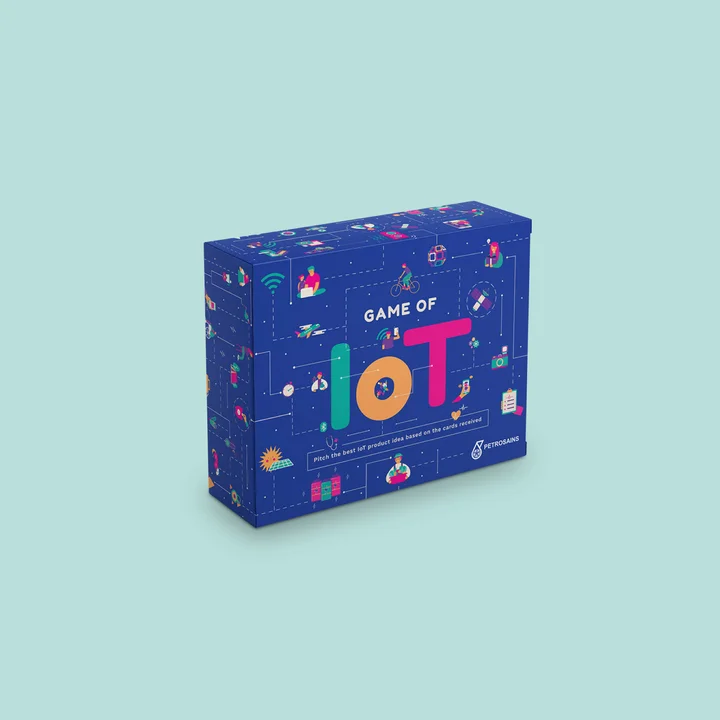

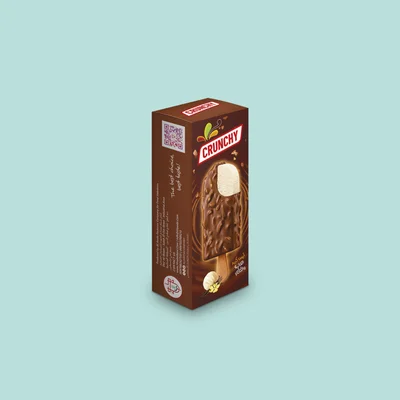
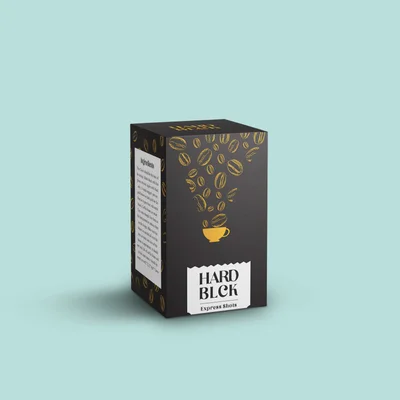
Tuckend boxes are a practical choice for the retail products like cosmetics and many other industries. Flaps at the top and the bottom fold inward and tuck into the body of the carton so the box stays shut without tape and without glue. We print this style on paperboard in runs from 100 boxes upward and every carton ships to you flat. Your packing area stays clear until the day an order needs filling.
The style looks plain from the outside yet the direction of each tuck changes how the carton behaves on a packing table. Getting that direction right saves a few seconds on every single order your team sends out. Over a year of shipping those seconds turn into real labor cost. The sections below explain what the closure does well and how the five versions differ from one another.
Get Custom Quote
| Specification | Detail |
|---|---|
| Versions | Straight tuck end, reverse tuck end, auto bottom, snap lock bottom, hang tab. |
| Closure | Flaps tuck into the body. No tape and no glue on a standard build. |
| Straight tuck end | Both flaps tuck toward the back. Keeps the front face free of any flap edge. |
| Reverse tuck end | Flaps tuck opposite ways. Nests better on the sheet so board cost drops. |
| Auto bottom | Glued base squares itself as the carton opens. For heavier or faster packing. |
| Board 14 pt SBS | Up to 8 ounces. Sachets, cosmetics and single bars. |
| Board 18 pt SBS | Up to 1.5 pounds. The weight most retail cartons use. |
| Board 24 pt SBS | Up to 3 pounds including glass bottles and jars. |
| Natural kraft | 18 to 24 pt, same weights as SBS with an uncoated brown face. |
| Corrugated option | E flute 1.5 mm above 3 pounds or when the carton travels alone by mail. |
| Sizes | Built to your inside dimensions, length by width by depth. |
| Ships to you | Flat and nested. Squares open in one movement at your packing bench. |
| Printing | Digital for short runs. Offset above 1,000 units on one design. |
| Finishes | Gloss, matte, soft touch, foil stamping, spot UV, embossing, debossing. |
| Window option | Die cut opening patched with clear PET or PLA film. |
| Hang tab | Punched hole or euro slot in the back panel, planned at the die stage. |
| Food contact | Food grade board and low migration inks at no extra charge. |
| Minimum order | 100 boxes per size and per design. |
| Production time | 8 to 12 business days after dieline approval. |
| Samples | A plain structural sample takes 3 to 5 working days and a printed sample takes 7 to 10. |
| Pricing | No setup or tooling charge. Break at 1,000 units. |
| Artwork and design | AI, EPS or PDF on our dieline. Design support free at every stage. |
| Shipping | Free shipping worldwide on all orders. |
A tuck end carton gives you five printable panels and one clean face that points at the shopper. Because the closure needs no adhesive your team can fill a box and shut it in a few seconds with one hand. Returns get easier for exactly the same reason because a customer who opens the flap carefully is able to close that carton again without tearing anything.
Shipping flat matters more than most buyers expect when they first price this style. A pallet of flat cartons holds several times the quantity that assembled boxes would hold in the same space. That difference lowers your freight cost on the inbound order and lowers your storage cost every month afterward. You square the carton open only when an order is ready to leave.
Those savings only arrive when the tuck direction matches the way your team actually works and three short questions settle that choice quickly.
Does a machine fill the carton or does a person? Automatic cartoning equipment needs a consistent flap direction and a square bottom that locks on its own. Hand packing gives you more freedom and lets you pick the version with the lowest board cost instead.
How much does the product weigh and does it move inside the box? Anything under about one pound sits safely in a plain tucked bottom. Heavier items push against the base every time the carton is lifted so a glued or locking bottom becomes the safer build.
Where does the box sit once it reaches the store? A carton that stands upright on a shelf only needs a printed front panel and nothing else. A carton that hangs from a peg hook needs a punched tab cut into the back panel. That tab has to be planned at the die stage because it cannot be added once the run is printed.
Your answers point at one of the five versions in the table below.
| Version | How it closes | Best suited to |
|---|---|---|
| Straight tuck end | Top and bottom flaps both tuck toward the back panel | Retail products where the printed front face must stay free of any visible flap edge |
| Reverse tuck end | Top flap tucks toward the back and the bottom flap tucks toward the front | Lighter products and buyers who want the lowest board usage per carton |
| Auto bottom tuck | Glued base folds into a locking bottom that squares itself as the carton opens | Heavier products and any operation packing more than a few hundred units a day |
| Tuck top snap lock bottom | Four bottom panels interlock by hand while the top tucks in the usual way | Mid weight products where a glued seam is not wanted on the base |
| Tuck end with hang tab | Standard tuck closure with a punched hole or euro slot cut into the back panel | Products sold from peg hooks in pharmacy aisles and hardware aisles |
Once the version is settled the next decision is board weight and that one depends entirely on what goes inside.
Paperboard is measured in points and one point equals one thousandth of an inch. A heavier board resists crushing and holds a crisp fold yet it also costs more and takes more room on a pallet. The table gives the four weights we run most often on this style.
| Board | Caliper | Product weight it handles |
|---|---|---|
| White SBS | 14pt | Up to 8 ounces such as sachets cosmetics and single bars |
| White SBS | 18pt | Up to 1.5 pounds and the weight most retail cartons use |
| White SBS | 24pt | Up to 3 pounds including glass bottles and jars |
| Natural kraft | 18pt to 24pt | Same weights as SBS with an uncoated brown surface |
| E flute corrugated | 1.5mm | Above 3 pounds or whenever the carton travels alone by mail |
We print food grade board with low migration inks so cartons for edible products carry no extra charge and no separate order process. With the structure settled you can turn your attention to how the carton looks.
Short runs go to digital presses because digital needs no plates and keeps a 100 box order affordable. Larger runs move to offset where ink coverage stays more consistent across thousands of sheets. You never pay a plate charge either way since setup and tooling are free on every order we take.
Browse the full range of structures on our box styles if a tuck end carton turns out to be the wrong shape for your product.
These terms hold across all five versions above and across every board weight we offer.
Send the inside dimensions of the box written as length by width by depth along with the weight of the filled carton. Add your quantity and tell us whether people or machines will do the packing, since those two details are enough for us to return a quote and a dieline. Our free dieline generator at custom packaging dielines builds any style at any size and exports AI PDF and SVG files in seconds.
For artwork we accept AI EPS and PDF files built in CMYK at 300 dpi with 3mm of bleed on every edge. If you have no print ready file yet our designers will lay your logo onto the dieline at no cost and send a proof for approval. Email the details to Sales@boxesexpert.com or call +1 682 243 7891 between 8am and 5pm EST and a quote comes back the same working day.
Custom packaging is easier to get right when the structure is chosen before the artwork is drawn. Start at custom boxes if you want to see the wider range first.
Creating custom boxes is now easy with us. See how our process works.
Send your product size, quantity and deadline. Not sure which board or style fits? Tell us what goes inside and we will specify it for you, then quote within 24 hours.
Upload your artwork and our team will refine it to perfection. No artwork? No problem. Just tell us about your product and we will turn your ideas into beautifully designed packaging.
Nothing reaches the press until you approve it. You get a digital proof as standard and a physical sample on request, so you can check everything yourself before the full run.
After production, every box goes through our strict quality control process to ensure it meets our standards. Once approved, your packaging is carefully prepared and delivered free to your own doorstep.
What buyers ask before ordering custom tray and sleeve boxes: how the fit is calculated, which tray to use, how variants change the cost and what the minimum applies to.
Apart from branding benefits, we deliver premium packaging solutions that combine durability, quality printing, and eco-friendly materials. Our team ensures every box meets your brand’s identity and market needs.

We use high-grade materials and advanced printing technology to ensure superior packaging quality.

Competitive rates designed to support businesses of all sizes.

We ensure timely production and delivery without compromising product quality.
Other structures buyers compare with a tray and sleeve set.