Consultation
Send your product size, quantity and deadline. Not sure which board or style fits? Tell us what goes inside and we will specify it for you, then quote within 24 hours.


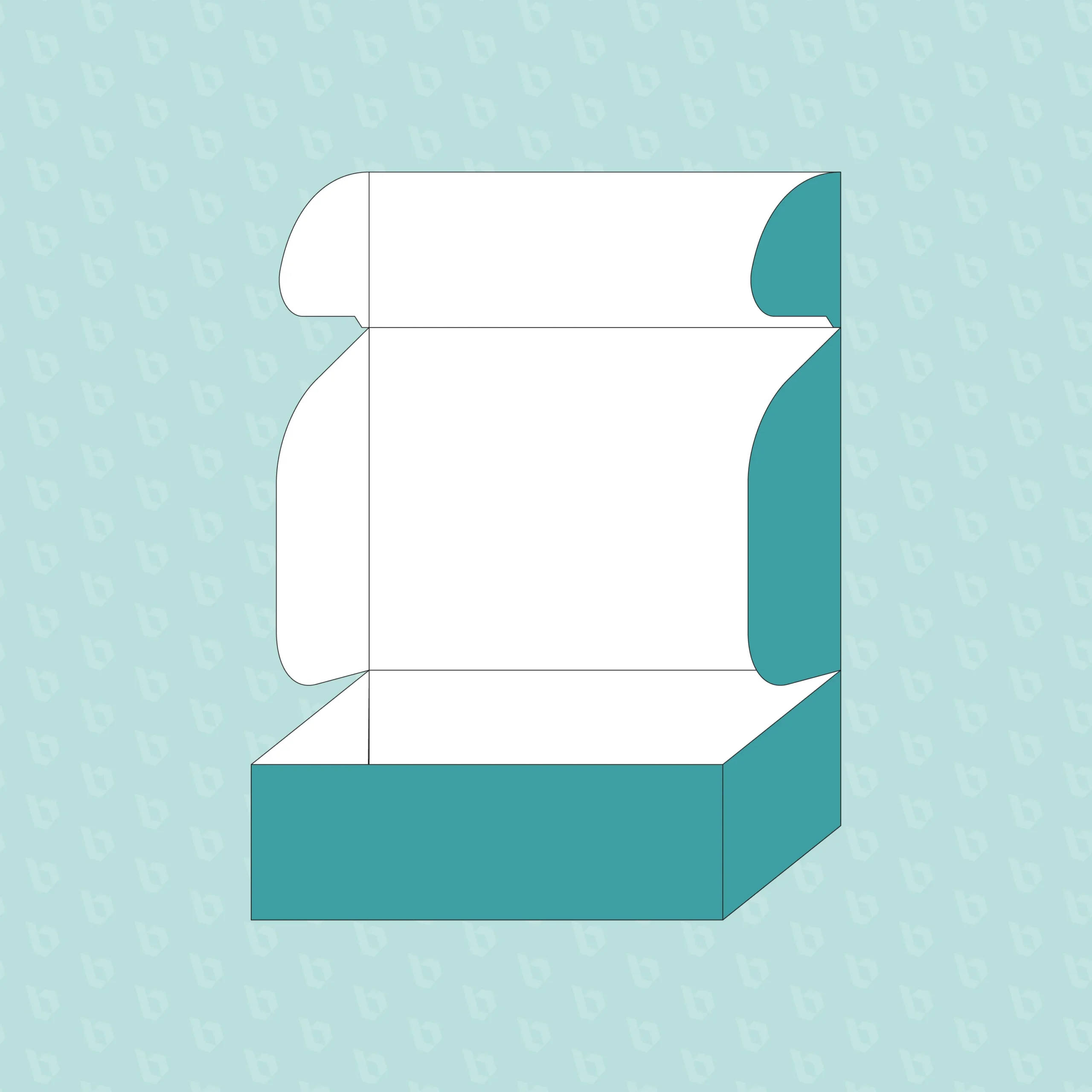
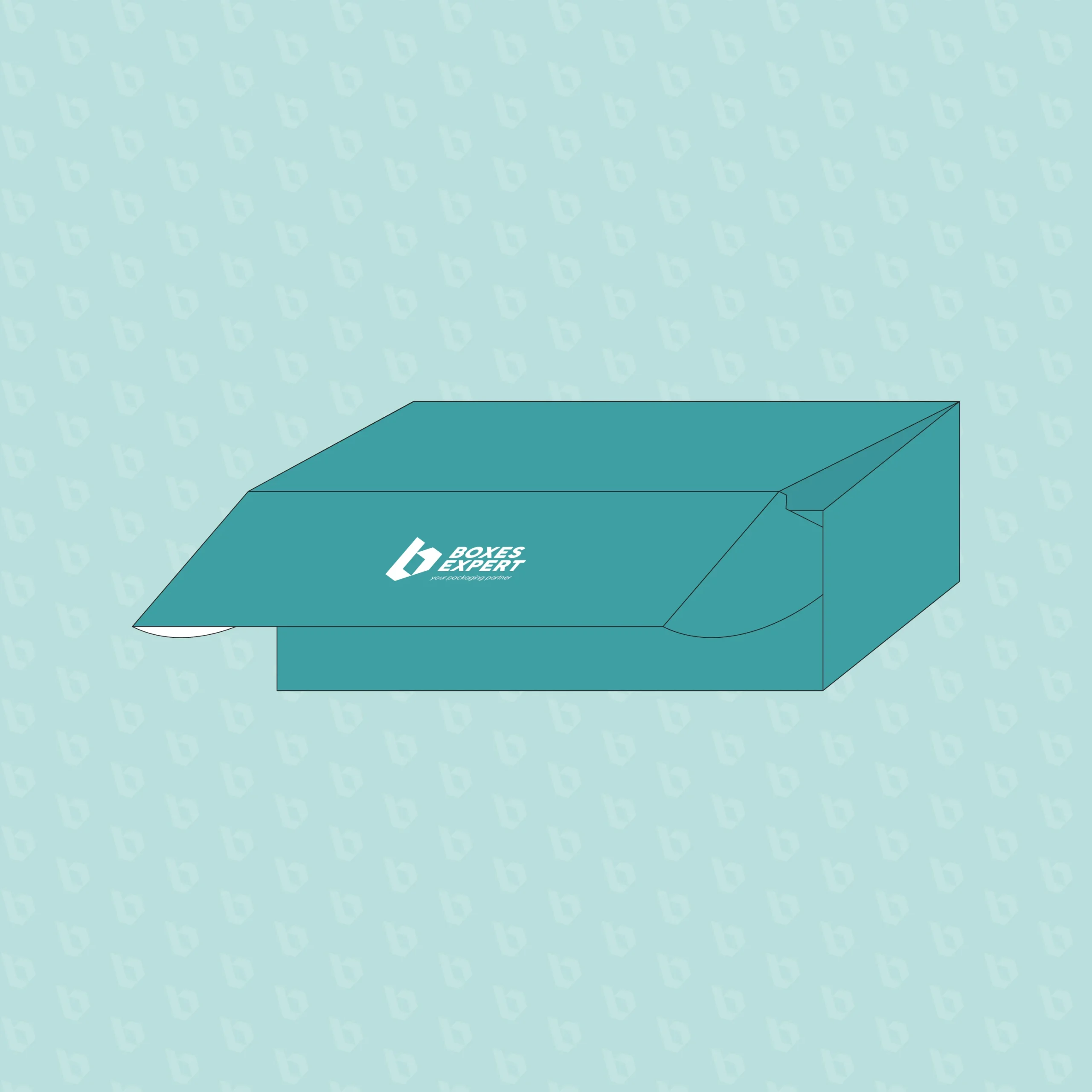
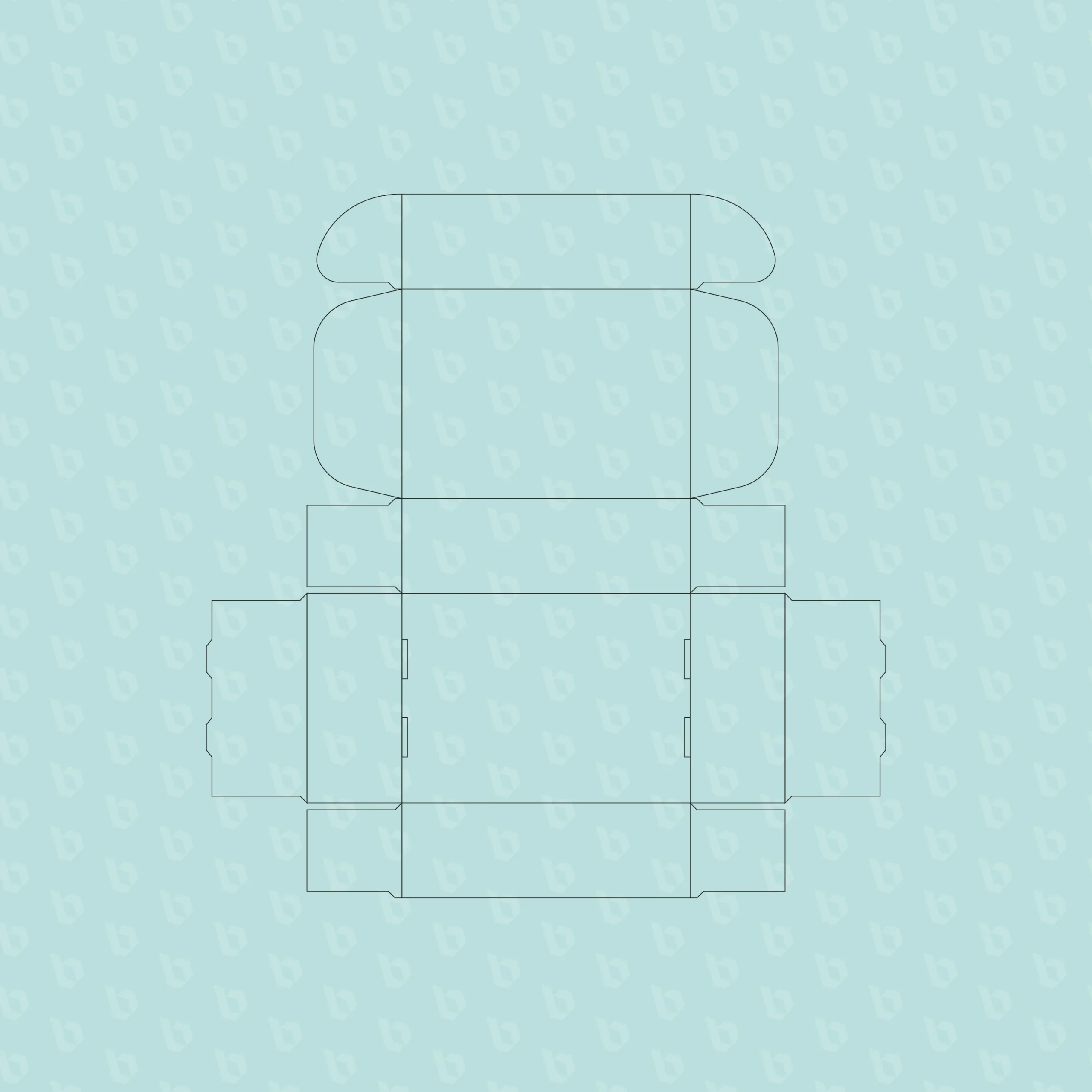
A roll end tuck front mailer is a corrugated box with a self locking base, two side wings and a front tuck. It is cut from one sheet and it needs no tape to close.
This is the structure for a box that travels on its own. Direct to consumer parcels and subscription boxes both live in this style because the fluted board absorbs the knocks that flat paperboard cannot.
Get Custom Quote
| Specification | Detail |
|---|---|
| Box style | Roll end tuck front with a self locking base and side wings. |
| Board | E flute at 32 ECT standard. B flute at 44 ECT for heavier or stacked loads. |
| Thickness | E flute about 1.5 mm. B flute about 3 mm. |
| Sizing | Internal length by width by depth. E flute adds about 3 mm outside, B flute about 6 mm. |
| Clearance | 3 to 5 mm around the product, more where void fill is used. |
| Closure | Front tuck with side wings. No tape needed. |
| Printing | Flexo or digital on kraft or white liner. Litho lamination for retail quality. |
| Options | Inside printing, tear strip, die cut corrugated insert, double wall front tuck. |
| Minimum order | 100 boxes per size and per design. |
| Production time | 8 to 12 business days after dieline approval. |
| Samples | A plain structural sample takes 3 to 5 working days and a printed sample takes 7 to 10. |
| Pricing | No setup or tooling charge. Break at 1,000 units. |
| Artwork and design | AI, EPS or PDF on our dieline. Design support free at every stage. |
| Shipping | Free shipping worldwide on all orders. |
Corrugated is three layers glued together, with two flat liners and a wavy fluted layer between them. That wave creates air columns that absorb impact and resist crushing.
Paperboard has no cushioning layer at all. A printed folding carton used as a shipper arrives with crushed corners and scuffed print and that is the single most common custom packaging mistake in ecommerce.
The line sits at about two pounds of packed weight or at any point where the box enters a courier network with nothing around it. Past either of those a mailer is the right answer rather than any of the paperboard cartons on our list of packaging boxes.
Two numbers describe corrugated. The flute letter gives the thickness of the wave and the ECT figure gives the edge crush strength in pounds per inch.
E flute is about 1.5 mm thick and 32 ECT is the common grade. That combination suits a normal parcel and it keeps the pack slim enough to look retail rather than industrial. B flute is about 3 mm and 44 ECT is roughly a third stronger, which is what heavier contents or several retail units in one outer need.
Always specify both figures. A supplier quoting only the flute has left out the half that tells you how much load the box carries.
Give us internal dimensions in length by width by depth order. E flute adds about 3 mm to each outside dimension and B flute adds about 6 mm. That matters when a carrier rate band or a pallet pattern is already fixed.
Add 3 to 5 mm of clearance around the product or more if you are adding void fill. A mailer that fits too tightly is hard to pack and it transfers every impact straight to the product.
Tell us the packed weight and whether the parcel is going into a network that stacks boxes on pallets. Stacking is what decides between 32 ECT and 44 ECT.
Corrugated takes ink well enough for most branding, with one thing to design around. Under press pressure the flute underneath telegraphs through the liner as faint stripes across large solid areas. It is called washboarding and it shows most on dark solids and photographs.
Design around it rather than fighting it. Lighter backgrounds, bolder shapes and less fine detail all survive on flute. Kraft liner with one or two colors is the most reliable and often the most attractive option on a mailer.
Litho lamination gives retail quality print by laminating a printed sheet onto the corrugated. It costs more and adds a step so it belongs on a pack where the box itself is part of the product experience.
Inside printing is the single most effective upgrade on a mailer. The customer sees the inner face at the moment the box opens and a printed inside costs far less than a finish on the outside.
A tear strip lets the customer open the box without a knife and it doubles as a tamper indicator. Die cut inserts in the same corrugated hold a product in place without foam. A double wall version of the front tuck adds stiffness where the box is opened repeatedly, which suits a returnable subscription pack.
Send artwork as an AI, EPS or PDF file set on our dieline in CMYK at 300 dpi with 3 mm of bleed. Design support is free at every stage so we will fix a file that is not print ready rather than send it back.
Two limits apply whatever you choose. Keep positive type at 6 pt or larger and reversed type at 8 pt or larger because ink spreads slightly on board and fine reversed type fills in. Keep every line weight at 0.25 pt or above for the same reason.
The minimum is 100 boxes per size and per design. Each size needs its own die so two sizes on one artwork counts as two minimums. There is no setup or tooling charge on the first order or on any reorder and the price break lands at 1,000 units.
Production runs 8 to 12 business days after you approve the dieline. A plain structural sample takes 3 to 5 working days and a printed sample takes 7 to 10. Shipping is free worldwide on every order.
Email Sales@boxesexpert.com with your dimensions and quantity and we will send a dieline, a 3D mockup and a price.
Creating custom boxes is now easy with us. See how our process works.
Send your product size, quantity and deadline. Not sure which board or style fits? Tell us what goes inside and we will specify it for you, then quote within 24 hours.
Upload your artwork and our team will refine it to perfection. No artwork? No problem. Just tell us about your product and we will turn your ideas into beautifully designed packaging.
Nothing reaches the press until you approve it. You get a digital proof as standard and a physical sample on request, so you can check everything yourself before the full run.
After production, every box goes through our strict quality control process to ensure it meets our standards. Once approved, your packaging is carefully prepared and delivered free to your own doorstep.
What buyers ask before ordering custom mailer boxes: flute and ECT grades, sizing, print quality on corrugated, inside printing and minimum quantities.
Apart from branding benefits, we deliver premium packaging solutions that combine durability, quality printing, and eco-friendly materials. Our team ensures every box meets your brand’s identity and market needs.

We use high-grade materials and advanced printing technology to ensure superior packaging quality.

Competitive rates designed to support businesses of all sizes.

We ensure timely production and delivery without compromising product quality.
Other structures buyers compare with a corrugated mailer.