Consultation
Send your product size, quantity and deadline. Not sure which board or style fits? Tell us what goes inside and we will specify it for you, then quote within 24 hours.



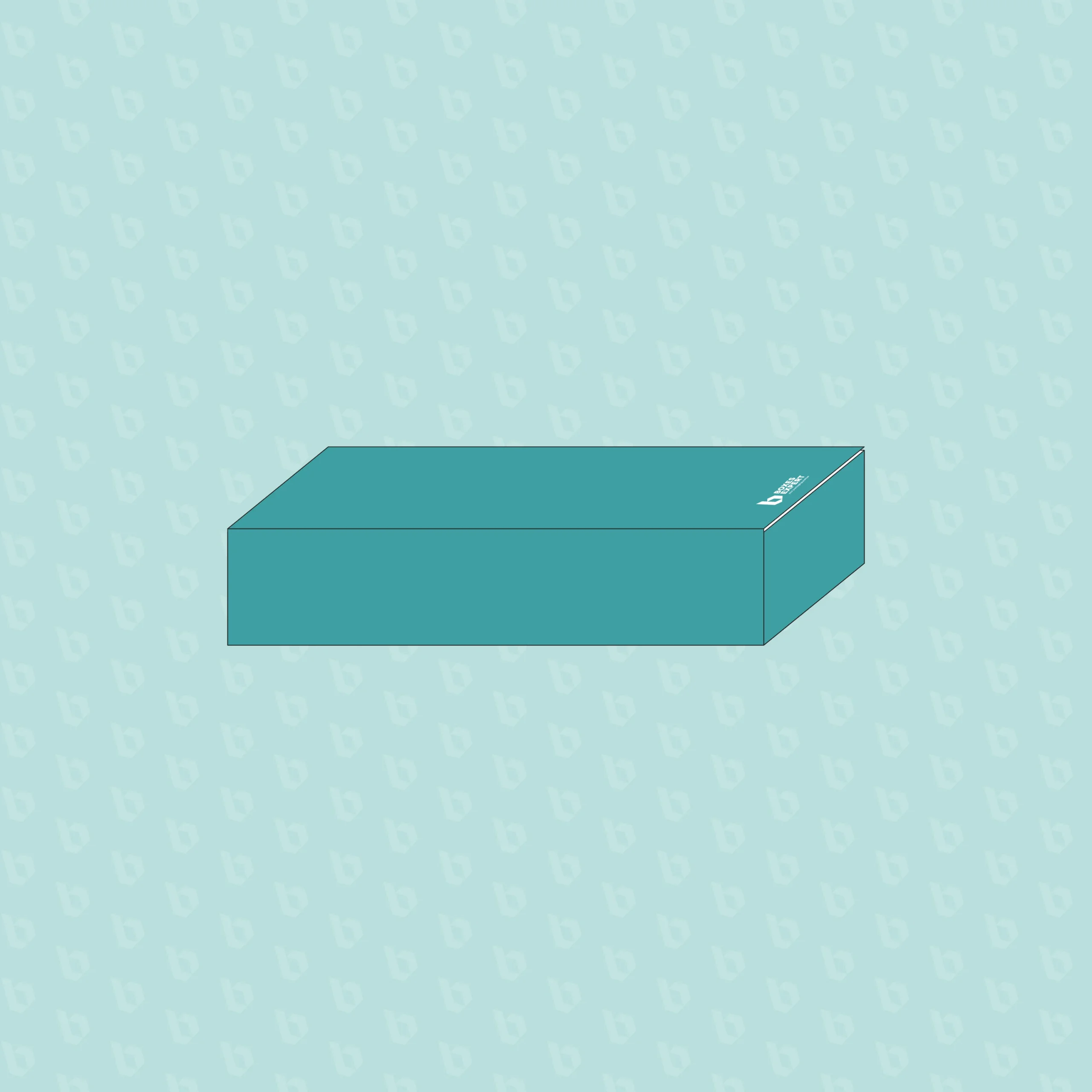

A tray and sleeve box splits your packaging into two parts. A base tray holds the product and a printed sleeve slides over the outside of it so the sleeve carries the artwork and the tray carries the weight.
That split is what makes this the cheapest structure for a range. You run one tray and print a different sleeve for every flavor, scent or season.
Get Custom Quote
| Specification | Detail |
|---|---|
| Components | Printed sleeve over a separate base tray. |
| Sleeve board | 300 GSM SBS standard. 350 GSM on wide or tall sleeves. |
| Tray options | Four corner tray, auto bottom tray, rigid tray, E flute 32 ECT corrugated tray. |
| Sleeve fit | Sleeve internal equals tray outside plus about 1 mm clearance. |
| Sleeve length | Usually 5 to 10 mm shorter than the tray so the tray edge shows. |
| Window option | Cut into the sleeve. No PET patch needed because the tray holds the product. |
| Printing | Digital for variant ranges. Offset above 1,000 units on one design. |
| Finishes | Gloss, matte, soft touch, spot UV, foil band across the sleeve. |
| Minimum order | 100 boxes per size and per design. |
| Production time | 8 to 12 business days after dieline approval. |
| Samples | A plain structural sample takes 3 to 5 business days and a printed sample takes 7 to 10. |
| Pricing | No setup or tooling charge. Break at 1,000 units. |
| Artwork and design | AI, EPS or PDF on our dieline. Design support free at every stage. |
| Shipping | Free shipping worldwide on all orders. |
Think about six scents of one product. Six separate printed cartons means six dies and six artwork files and six minimums, and every one of those costs sits on a component you reprint each time.
A tray and sleeve set changes the arithmetic. You run one tray in plain kraft or in a single printed design and you print six sleeves over it. When a seventh scent arrives you print a seventh sleeve and the tray underneath never changes.
One thing to plan for is that the minimum applies to each sleeve design rather than to the program. Six sleeves is six lots of 100 rather than one lot of 600. What you save is the die work and the artwork setup on the tray.
The fit is the whole engineering problem on this style. A sleeve that grips too tightly scuffs the print as it slides and a sleeve that runs loose works its way off inside a shipper.
We set the sleeve internal size at the tray outside size plus about 1 mm of clearance. Each wall of the tray adds roughly 0.8 mm of board so the tray drawing and the finished tray are not the same measurement. When a customer supplies an existing tray we measure the real one rather than working from the drawing.
Sleeve length usually runs 5 to 10 mm shorter than the tray so a band of the tray shows at each end. That small reveal is what makes the pack read as two deliberate components rather than a cover that does not fit.
The tray is a structural choice and it is where the weight is carried. A four corner tray in 300 to 350 GSM suits light retail items and flat products. An auto bottom tray in 350 to 400 GSM suits heavier fills and fast hand packing because the base locks itself as the tray is squared up.
A rigid tray in 1.5 mm greyboard belongs on premium sets where the tray is part of the gift. A corrugated tray at E flute and 32 ECT is the right answer when the pack ships on its own through a courier network.
A plain kraft or white tray under a printed sleeve reads as deliberate rather than cheap. If you do want the tray printed then keep it to one color so the cost stays on the sleeve where the variants live.
A sleeve is a continuous band so your artwork wraps all the way around with no tuck flap interrupting it. That makes it the easiest component in custom packaging boxes to design for and it is why photography and full bleed patterns work so well on this style.
Digital printing suits variant ranges because a second design costs nothing extra to set up. Offset takes over above about 1,000 units on one artwork and it holds a named Pantone spot color exactly.
Gloss or matte lamination protects the sleeve as it slides over the tray, and on this style that protection is doing real work rather than sitting there. Soft touch lamination suits gifting. A foil band or spot UV across the sleeve gives a premium effect at one extra pass.
A window cut into the sleeve shows the product without a PET patch because the tray behind it holds everything in place. That makes a sleeve window cheaper than a window in any standard carton on our list of packaging boxes.
You can also die cut the sleeve ends into a curve or a notch so the pack opens with a finger pull. A printed divider inside the tray keeps several pieces apart and recycles with the rest of the pack.
Send artwork as an AI, EPS or PDF file set on our dieline in CMYK at 300 dpi with 3 mm of bleed. Design support is free at every stage so we will fix a file that is not print ready rather than send it back.
Two limits apply whatever you choose. Keep positive type at 6 pt or larger and reversed type at 8 pt or larger because ink spreads slightly on board and fine reversed type fills in. Keep every line weight at 0.25 pt or above for the same reason.
The minimum is 100 boxes per size and per design. Each size needs its own die so two sizes on one artwork counts as two minimums. There is no setup or tooling charge on the first order or on any reorder and the price break lands at 1,000 units.
Production runs 8 to 12 business days after you approve the dieline. A plain structural sample takes 3 to 5 working days and a printed sample takes 7 to 10. Shipping is free worldwide on every order.
Email Sales@boxesexpert.com with your dimensions and quantity and we will send a dieline, a 3D mockup and a price.
Creating custom boxes is now easy with us. See how our process works.
Send your product size, quantity and deadline. Not sure which board or style fits? Tell us what goes inside and we will specify it for you, then quote within 24 hours.
Upload your artwork and our team will refine it to perfection. No artwork? No problem. Just tell us about your product and we will turn your ideas into beautifully designed packaging.
Nothing reaches the press until you approve it. You get a digital proof as standard and a physical sample on request, so you can check everything yourself before the full run.
After production, every box goes through our strict quality control process to ensure it meets our standards. Once approved, your packaging is carefully prepared and delivered free to your own doorstep.
What buyers ask before ordering custom tray and sleeve boxes: how the fit is calculated, which tray to use, how variants change the cost and what the minimum applies to.
Apart from branding benefits, we deliver premium packaging solutions that combine durability, quality printing, and eco-friendly materials. Our team ensures every box meets your brand’s identity and market needs.

We use high-grade materials and advanced printing technology to ensure superior packaging quality.

Competitive rates designed to support businesses of all sizes.

We ensure timely production and delivery without compromising product quality.
Other structures buyers compare with a tray and sleeve set.
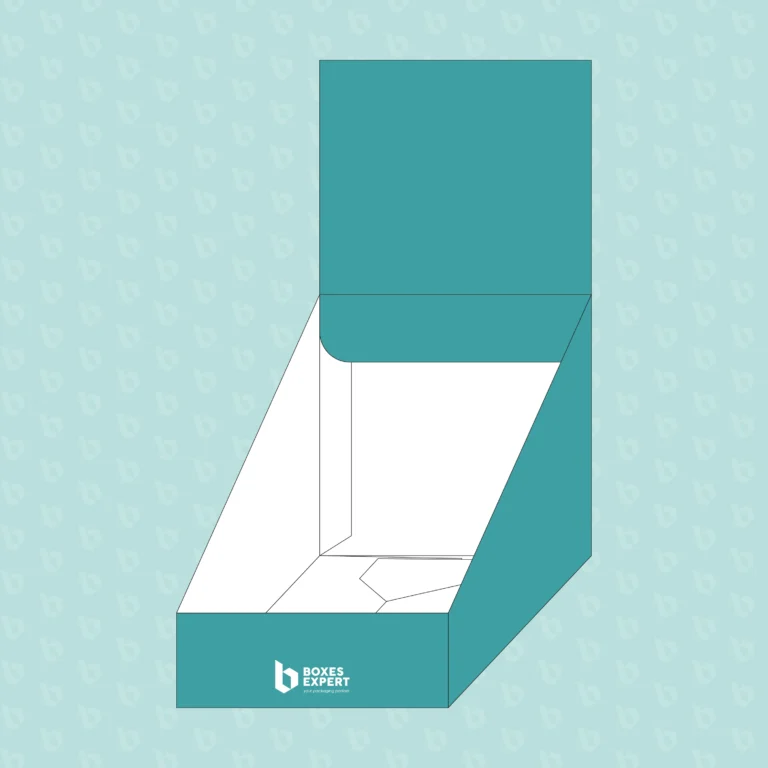 Display BoxCounter Display Box, easy to access and less expensiveView
 Two Piece BoxesRigid lid and base for a box people keepView
 Auto Bottom TraysA base that locks itself as you square it upView
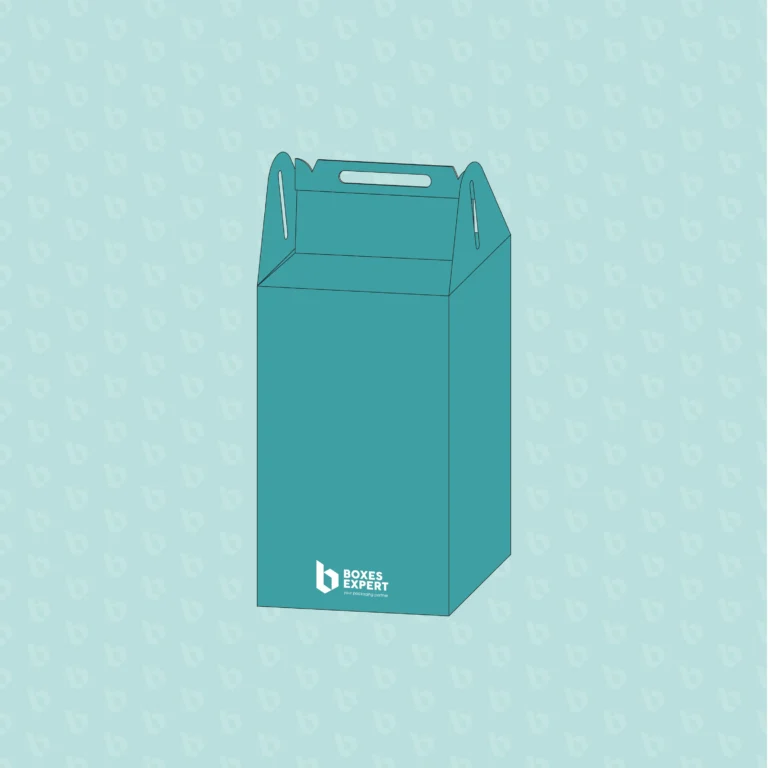 Gable BoxesA carry handle folded from the top panelView
 Straight Tuckend BoxBranded look easy to assemble, and less expensiveView