Consultation
Send your product size, quantity and deadline. Not sure which board or style fits? Tell us what goes inside and we will specify it for you, then quote within 24 hours.


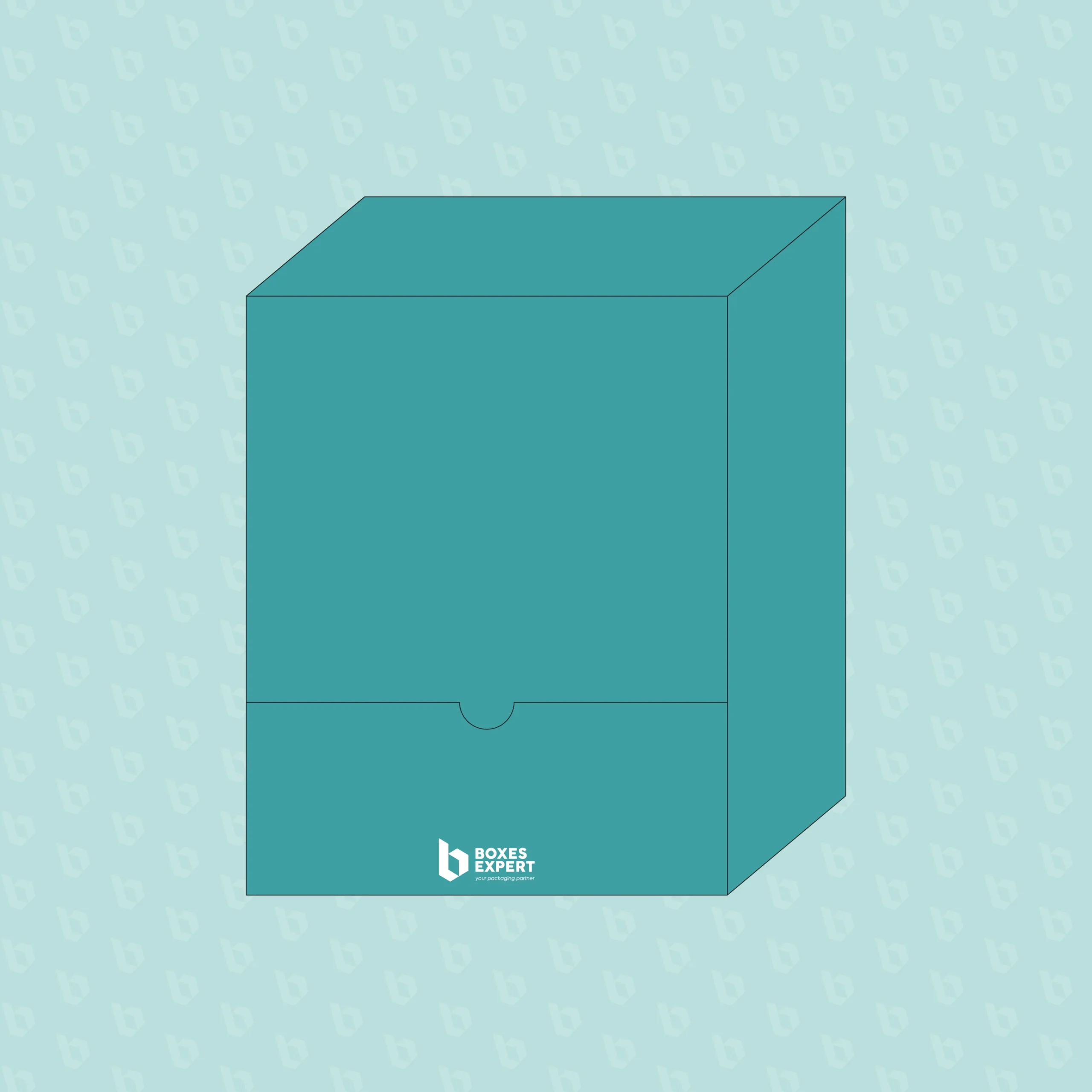
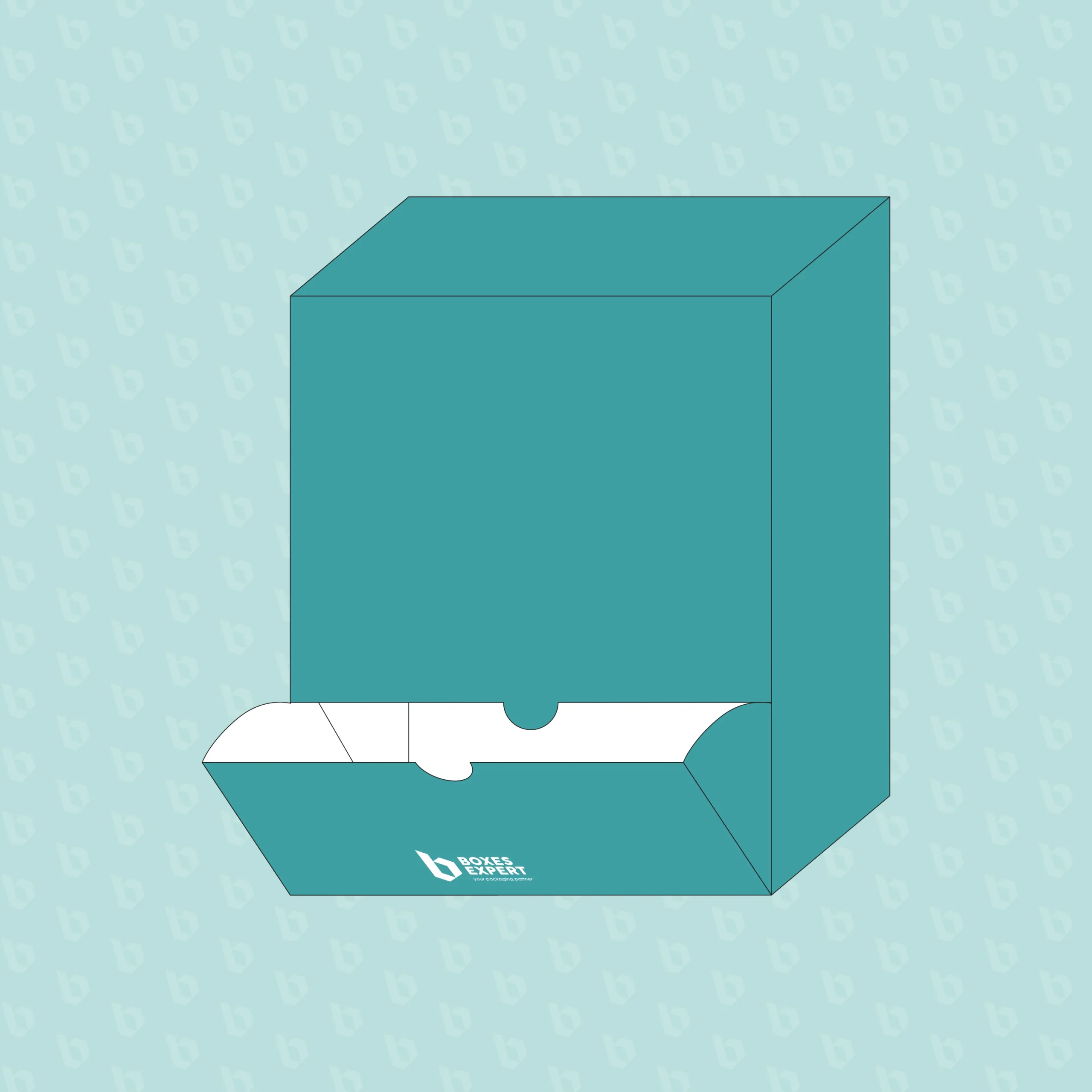
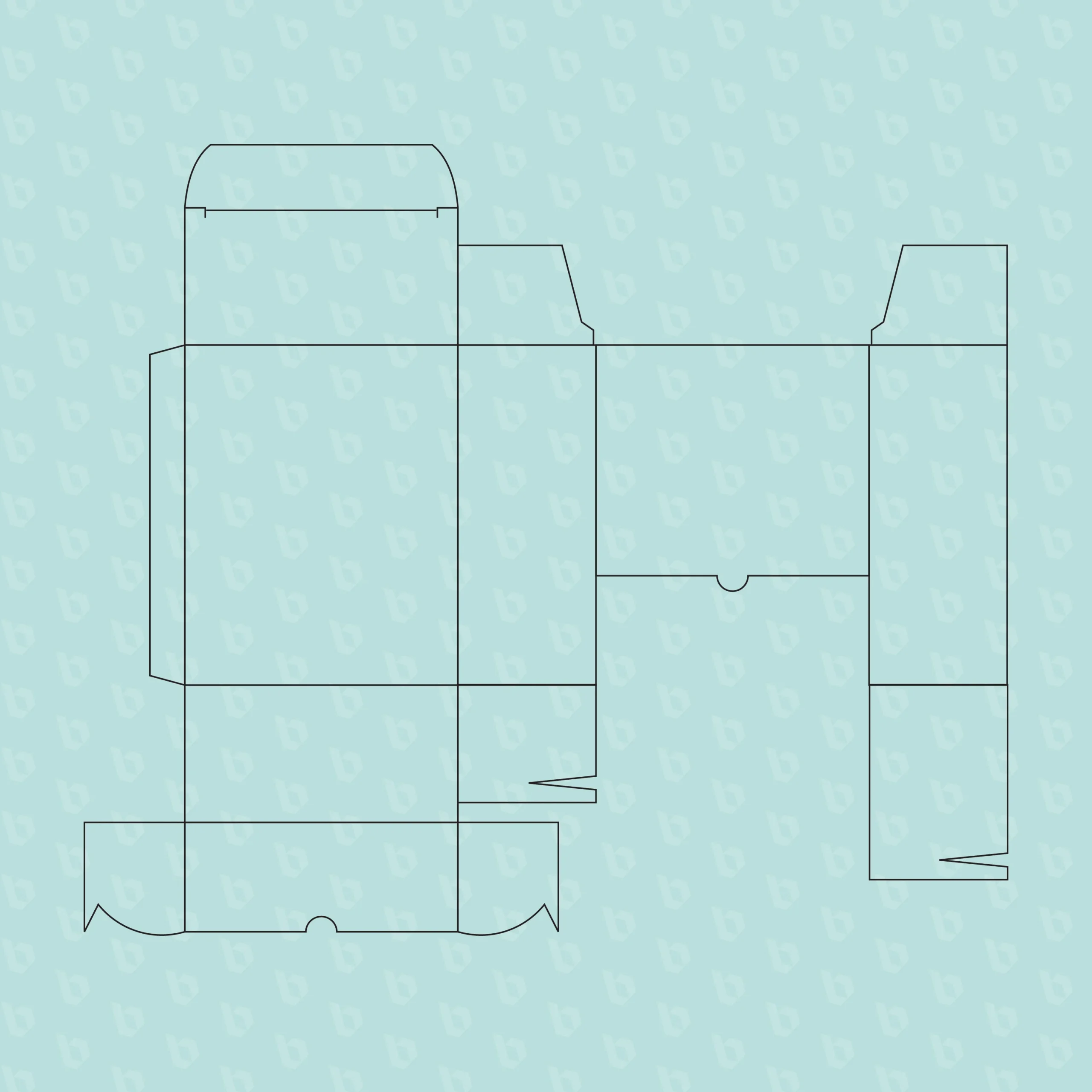
A dispenser box is packaging that stays closed while releasing its contents through a controlled opening. Nobody empties a dispenser in one go the way they empty an ordinary carton. They pull a tissue or take a straw or lift a glove or snap off a single sachet. The box keeps the rest contained until the next time.
That single behavior separates this style from every other carton we cut. A normal box is designed to be opened once, while a dispenser is designed to be opened fifty times and still hold together. The sections below explain where the engineering goes and which format suits what you sell.
Get Custom Quote
| Specification | Detail |
|---|---|
| Formats | Tear away, tissue top pull, glove front opening, angled counter, tube, shelf feed. |
| Aperture | Die cut to the product and sized from a sample, not a drawing. |
| Reinforcement | Hidden strip behind the aperture, cut from the same die. |
| Board | 18 to 24 pt SBS or kraft under 3 pounds filled. E flute 32 ECT above that. |
| Heavy units | B flute 44 ECT with a reinforced base above about 8 pounds. |
| Perforation | Tooth pattern set in the die so every box tears the same. |
| Reclose option | Hinged flap folds over the aperture into a cut slot. |
| Refill opening | Second flap at the back or base on restocked units. |
| Hanging option | Euro slot or round hole punched into the back panel. |
| Inner bag | Carton holds a bag or liner. Adds a few mm to the inside size. |
| Printing | Digital for short runs. Offset above 1,000 units on one design. |
| Finishes | Matte and gloss lamination for handling. Foil, spot UV and emboss also run. |
| Food contact | Food grade board and low migration inks at no extra charge. |
| Minimum order | 100 boxes per size and per design. |
| Production time | 8 to 12 business days after dieline approval. |
| Samples | A plain structural sample takes 3 to 5 working days and a printed sample takes 7 to 10. |
| Pricing | No setup or tooling charge. Break at 1,000 units. |
| Shipping | Free shipping worldwide on all orders. |
On a standard carton the opening is an afterthought because it gets used once and discarded. On a dispenser the opening is used repeatedly, often with one hand, sometimes by somebody wearing gloves or standing at a counter in a hurry.
Three separate things decide whether that opening works in practice. The perforation has to tear cleanly on the first attempt without tearing further on the fiftieth. The aperture has to be wide enough to reach into and narrow enough to hold the remaining contents back. The surrounding board has to stay rigid once a hole has been cut into the panel, which is where most cheap dispensers fail.
We cut the aperture and the perforation at the die stage rather than adding them afterward, so both are consistent across the whole run. Getting the geometry right is the difference between a box people reorder and one they tip upside down in frustration.
Where does the box live while it is being used? A counter unit is seen from the front and the top and it has to look finished. A box living inside a cupboard or a supply room only has to work, which usually means a lighter board and a simpler print.
How many units does it have to hold before it empties? A box holding twenty refills carries far more weight than one holding five, and that weight presses down on the base every time somebody reaches in. Tell us the filled weight rather than the unit count, because the board is chosen from the load.
Does the product need protecting in between each use? Wipes and anything moist need a resealable flap or a lidded aperture over the opening. Dry goods such as straws, gloves and sachets dispense through an open mouth with nothing covering it.
| Format | How it dispenses | Best suited to |
|---|---|---|
| Perforated tear away dispenser | A scored panel tears off to leave a fixed opening | Sachets, bars, sticks and anything sold in a counted pack |
| Top pull tissue style | An oval aperture in the top panel holds back the next sheet | Tissues, wipes, liners and interfolded sheet products |
| Front opening glove box | A wide front aperture lets a hand reach straight in | Gloves, masks, shoe covers and clinical consumables |
| Angled counter dispenser | A sloped front face presents stock toward the customer | Impulse lines at a register such as gum, lip balm and vape pods |
| Tube and straw dispenser | A tall carton with a side or top aperture for upright items | Straws, stirrers, cutlery and other long thin products |
| Shelf dispenser with gravity feed | Stock slides forward as each front unit is removed | Retail chains that want a shelf facing refilled from behind |
| Resealable flap dispenser | A hinged flap closes over the aperture between uses | Wipes and any product that dries out or picks up dust |
Format settled, the next question is what the box has to carry while a hole sits in one of its panels.
Every aperture removes strength from the panel it sits in. A dispenser therefore needs more board than a plain carton holding the same weight, and the gap widens as the opening gets larger.
| Filled weight | Board we recommend | Typical use |
|---|---|---|
| Under 1 pound | 18pt SBS | Sachet packs, lip balm counters and small tissue cartons |
| 1 to 3 pounds | 24pt SBS or kraft | Glove boxes, straw dispensers and larger counter units |
| 3 to 8 pounds | E flute corrugated | Shelf dispensers and bulk consumable cartons |
| Above 8 pounds | B flute with a reinforced base | Gravity feed units and anything restocked rather than replaced |
One structural addition is worth knowing because it solves the commonest failure cheaply. A hidden reinforcing strip folded behind the aperture returns most of the strength that cutting the hole removed. It costs very little because it comes out of the same die, and it stops the front panel collapsing inward once the box is half empty.
A dispenser gets handled far more than an ordinary carton, so the finish does protective work rather than decorative work alone. Matte lamination resists the fingerprints that build on any box people reach into all day. Gloss lamination wipes clean where the box sits in a kitchen or a clinical area.
Print the panel around the aperture with care, because that is where the eye lands every single time. A simple instruction, an arrow or a contrasting color block around the opening does more for usability than anything written on the back. We print food grade board with low migration inks, so dispensers for edible products carry no extra charge.
Review the wider structural range on our box styles if a dispenser turns out to be the wrong shape for what you sell.
Decide early whether the box is emptied and thrown away or restocked and kept, because the two routes need different structures. A single use dispenser can run on lighter board and a simpler die, since it only has to survive one cycle of filling and emptying.
A refillable unit is doing a much harder job over a much longer life. It needs a second opening for restocking, usually a flap at the back or the base. It also needs heavier board, because it gets handled every week rather than once. Counter dispensers and shelf units almost always fall into this group.
There is a middle route that suits many brands better than either extreme. Keep one sturdy base unit in heavier board and supply the product in plain refill packs that drop inside it. You pay for the structure once and reprint only the cheapest component when the artwork changes.
Send the dimensions of one unit of product and how many units the box has to hold, along with the filled weight. Tell us where the box sits while it is in use and whether the opening needs to close again between uses. Those three answers together decide the format and the board we recommend.
A printed sample matters more on this style than on almost any other we cut. An aperture that works perfectly on a drawing can still feel wrong in the hand. Order one at 19.99 dollars and test it with the real product before committing to a full run.
Artwork should arrive as AI, EPS or PDF built in CMYK at 300 dpi with 3mm of bleed on every edge. Email Sales@boxesexpert.com or call +1 682 243 7891 between 8am and 5pm EST for a quote the same working day. Our free dieline generator at custom packaging dielines builds any style at any size and exports AI PDF and SVG files in seconds. See the full range at custom packaging boxes whenever you are ready.
Creating custom boxes is now easy with us. See how our process works.
Send your product size, quantity and deadline. Not sure which board or style fits? Tell us what goes inside and we will specify it for you, then quote within 24 hours.
Upload your artwork and our team will refine it to perfection. No artwork? No problem. Just tell us about your product and we will turn your ideas into beautifully designed packaging.
Nothing reaches the press until you approve it. You get a digital proof as standard and a physical sample on request, so you can check everything yourself before the full run.
After production, every box goes through our strict quality control process to ensure it meets our standards. Once approved, your packaging is carefully prepared and delivered free to your own doorstep.
What buyers ask before ordering custom tray and sleeve boxes: how the fit is calculated, which tray to use, how variants change the cost and what the minimum applies to.
Apart from branding benefits, we deliver premium packaging solutions that combine durability, quality printing, and eco-friendly materials. Our team ensures every box meets your brand’s identity and market needs.

We use high-grade materials and advanced printing technology to ensure superior packaging quality.

Competitive rates designed to support businesses of all sizes.

We ensure timely production and delivery without compromising product quality.
Other structures buyers compare with a tray and sleeve set.