Consultation
Send your product size, quantity and deadline. Not sure which board or style fits? Tell us what goes inside and we will specify it for you, then quote within 24 hours.



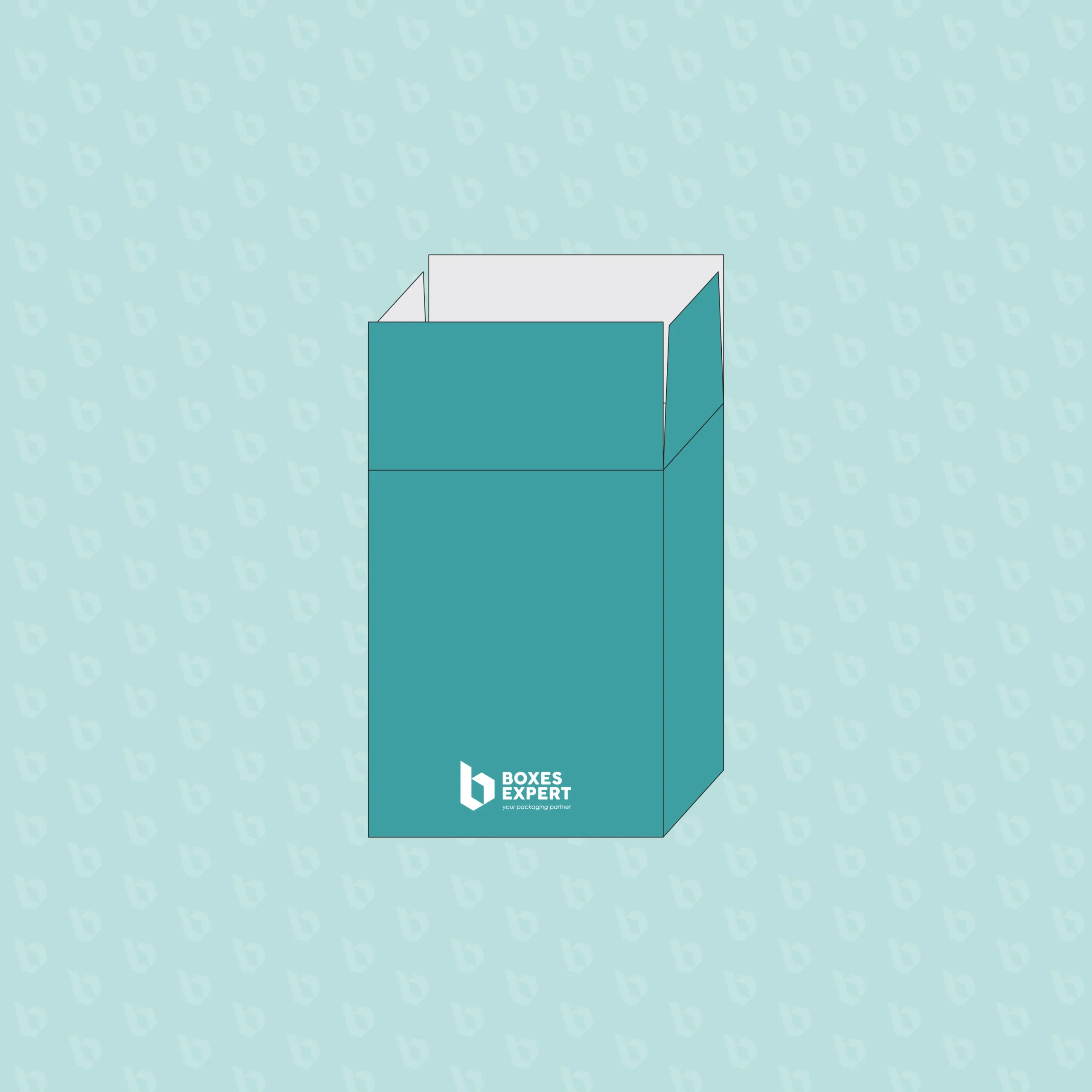
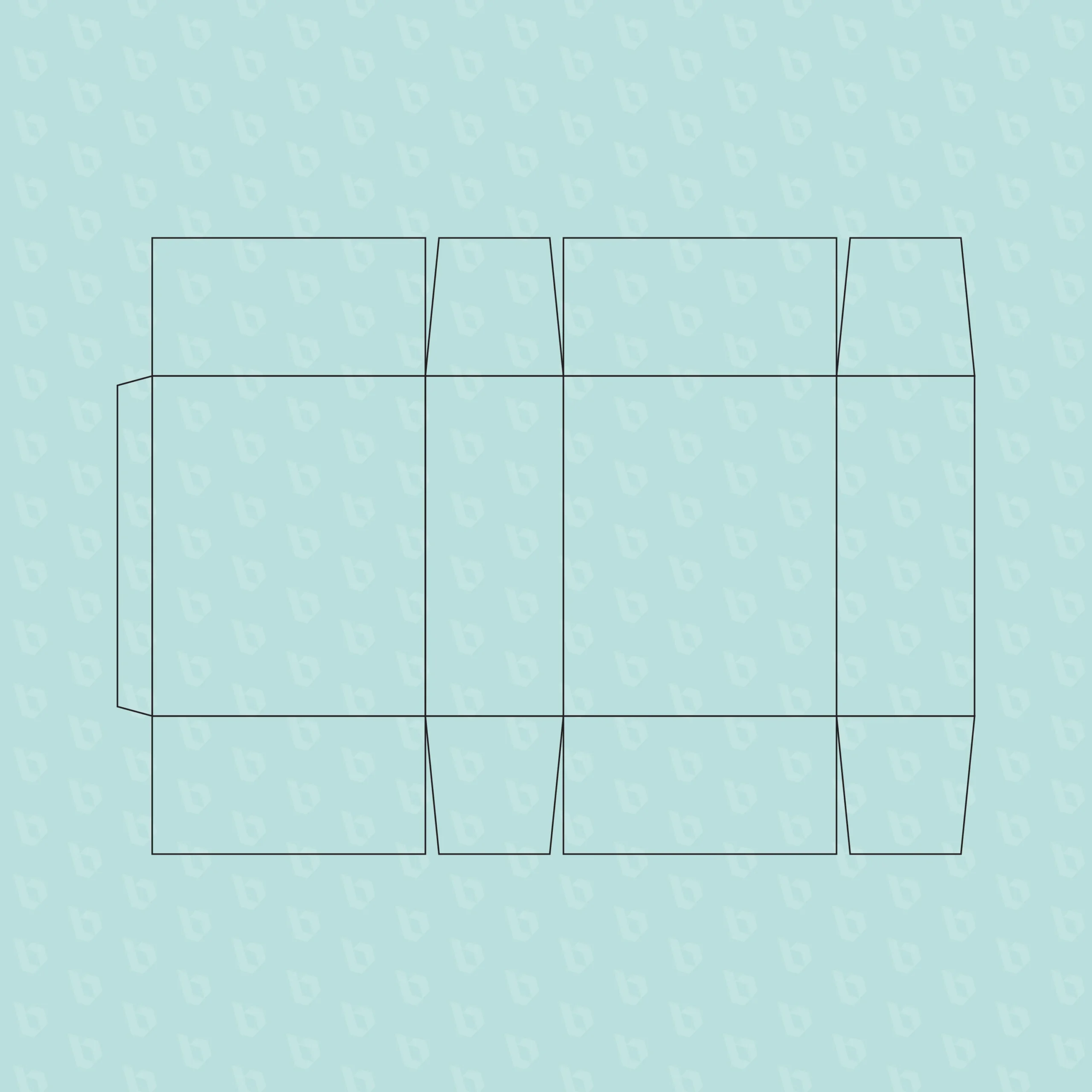
A seal end box is a folding carton with both ends glued closed rather than tucked. The flaps fold in and an adhesive line seals them, so the finished box has no tuck flap to open and no tab to lift. You find this style wherever a carton is filled by machine at speed, which covers most cereal, pasta, frozen food and pharmaceutical packaging on a supermarket shelf.
The glued closure changes everything about how the box behaves. It cannot be opened and closed again without visible damage, which is the point rather than a limitation. Buyers choose this style when the contents must arrive sealed and when a filling line is doing the work instead of a person.
Get Custom Quote
| Specification | Detail |
|---|---|
| Closure | Both ends glued. We can glue the base for hand filling. |
| Versions | Full seal end, glued bottom, tuck top seal end bottom, tear strip, hang tab, window. |
| Board | 14 to 24 pt SBS, roughly 280 to 450 GSM. Recycled and kraft also run. |
| Corrugated option | E flute 32 ECT above about 3 pounds or when the carton ships alone. |
| Glue flap | Left unvarnished so the adhesive bonds. Marked on the dieline. |
| Sizes | Built to your inside dimensions, length by width by depth. |
| Opening features | Perforated tear strip or thumb notch, cut at the die stage. |
| Window option | Die cut in any panel, patched with clear PET or PLA film. |
| Inner liner | Bag or liner for powders. Adds a few mm to the inside size. |
| Printing | Digital for short runs. Offset above 1,000 units on one design. |
| Finishes | Gloss, matte, soft touch, spot UV, foil, emboss. All clear of the glue flap. |
| Food contact | Food grade board and low migration inks at no extra charge. |
| Minimum order | 100 boxes per size and per design. |
| Production time | 8 to 12 business days after dieline approval. |
| Samples | A plain structural sample takes 3 to 5 working days and a printed sample takes 7 to 10. |
| Pricing | No setup or tooling charge. Break at 1,000 units. |
| Artwork and design | AI, EPS or PDF on our dieline. Design support free at every stage. |
| Shipping | Free shipping worldwide on all orders. |
A tucked carton can be opened quietly and closed again with nobody noticing. A sealed carton cannot, because the board tears along the glue line the moment somebody tries. That tearing is itself the tamper evidence, and it is why regulated categories reach for this style before any other.
Speed is the second reason and it matters more than most buyers expect. Automatic cartoning equipment runs a seal end carton far faster than a tuck end because the machine applies glue in one pass rather than folding and inserting flaps. On a line running thousands of units an hour, that difference decides whether the packaging keeps up with the filler.
The third benefit is a completely clean printing panel across the whole carton. With no tuck flap breaking the surface, the front and back stay uninterrupted for artwork. Those three advantages arrive with one real trade attached to them. Your line needs glue capability, or we glue one end before the cartons ship to you.
Does a machine fill the carton or does a person? A full seal end suits an automatic line with glue heads. Hand filling needs one end glued by us so your team only seals the second end, or it needs a different style altogether.
Is the product free flowing or does it hold a fixed shape? Powders and granules and loose pieces need a liner or an inner bag, because board seams are never airtight. A fixed shape such as a tube or a blister sits directly in the carton with no inner at all.
How is the customer supposed to get the carton open? A plain glued end tears unevenly and that looks careless on a premium product. A perforated tear strip or a thumb notch turns that into a controlled opening, and both are cut at the die stage rather than added later.
| Version | How it closes | Best suited to |
|---|---|---|
| Full seal end | Both ends glued shut on your filling line | High speed automatic cartoning where the line applies all the glue |
| Seal end with glued bottom | We glue the base, your team seals only the top | Hand filling and small batch runs with no cartoning machine |
| Tuck top seal end bottom | Glued base with a tucking top flap above it | Products a customer reopens, where only the base needs permanence |
| Seal end with tear strip | Glued ends with a pull strip cut into one panel | Premium goods where a clean controlled opening is part of the experience |
| Seal end with hang tab | Standard glued ends plus a punched hole in the back panel | Pharmacy and hardware lines sold from peg hooks rather than shelves |
| Seal end with window | Glued ends with a die cut opening patched in clear film | Food and confectionery where the shopper wants to see the product |
With the version settled the next decision is board, and on a glued carton that choice does more work than usual.
Glue needs a surface it can actually bond to, and not every finish gives it one. A heavily coated or laminated flap resists adhesive, so the dieline leaves a glue area unvarnished on every seal end job we cut. Tell us at quotation stage if the design runs a finish edge to edge, because that flap has to stay clear.
| Board | Caliper | Where it fits |
|---|---|---|
| White SBS | 14pt to 16pt | Lightweight sachets, tubes and single dose pharmaceutical cartons |
| White SBS | 18pt to 20pt | The standard weight for food cartons filled on an automatic line |
| Recycled board | 18pt to 24pt | Cereal and dry goods where a recycled surface suits the category |
| Natural kraft | 18pt to 24pt | Natural and organic ranges wanting an uncoated brown face |
| E flute corrugated | 1.5mm | Heavier contents above 3 pounds or cartons that travel unprotected |
We print food grade board with low migration inks, so cartons for edible products carry no extra charge and no separate ordering process. Once the structure is fixed you can turn to how the carton looks.
The absence of a tuck flap is a genuine design advantage on this style. Artwork runs across the full front and back with no seam or flap edge breaking it. That suits photographic imagery and large solid color blocks far better than a tucked carton does.
One finishing decision is worth planning early on this style. Lamination and varnish both have to stop short of the glue flap. A design that bleeds a finish to every edge therefore needs reworking before the die is cut. We flag that on the dieline rather than discovering it on press, and the adjustment is usually invisible once the carton is folded.
Compare this build against every other structure we cut on our box styles if a glued carton is not the right answer for your product.
A glued carton holds its shape well but it was never built to be airtight. Dry goods that pour, such as cereal, grains, powders and confectionery pieces, need an inner bag or a laminated liner sitting inside the carton. The carton then does the branding and the stacking while the inner handles the barrier.
Tell us at quotation stage whether an inner is involved, because it changes the inside dimensions. A bag adds a few millimeters once it is filled and sealed, and a carton cut without that allowance will not close cleanly on the line.
Send the inside dimensions as length by width by depth along with the filled weight of the carton. Tell us whether a machine or a person fills it, and name the cartoning equipment if you have it, because glue flap geometry has to match the machine. Those details are enough for a quote and a dieline.
Artwork should arrive as AI, EPS or PDF built in CMYK at 300 dpi with 3mm of bleed on every edge. Our designers will place your logo onto the dieline at no cost if no print ready file exists yet. Email Sales@boxesexpert.com or call +1 682 243 7891 between 8am and 5pm EST for a quote the same working day. Our free dieline generator at custom packaging dielines builds any style at any size and exports AI PDF and SVG files in seconds. Browse the wider range at custom printed boxes before you decide.
Creating custom boxes is now easy with us. See how our process works.
Send your product size, quantity and deadline. Not sure which board or style fits? Tell us what goes inside and we will specify it for you, then quote within 24 hours.
Upload your artwork and our team will refine it to perfection. No artwork? No problem. Just tell us about your product and we will turn your ideas into beautifully designed packaging.
Nothing reaches the press until you approve it. You get a digital proof as standard and a physical sample on request, so you can check everything yourself before the full run.
After production, every box goes through our strict quality control process to ensure it meets our standards. Once approved, your packaging is carefully prepared and delivered free to your own doorstep.
What buyers ask before ordering custom tray and sleeve boxes: how the fit is calculated, which tray to use, how variants change the cost and what the minimum applies to.
Apart from branding benefits, we deliver premium packaging solutions that combine durability, quality printing, and eco-friendly materials. Our team ensures every box meets your brand’s identity and market needs.

We use high-grade materials and advanced printing technology to ensure superior packaging quality.

Competitive rates designed to support businesses of all sizes.

We ensure timely production and delivery without compromising product quality.
Other structures buyers compare with a tray and sleeve set.